
Digital Management of Traffic and Variability
In the rapidly evolving world of logistics and manufacturing, effective management of vehicle traffic within company premises is becoming a key element of success for every business
%20(1)%20(1).png)
Trusted us





Main functionalities YMS

Vehicle traffic management
- Monitoring and recording of inbound and outbound traffic within the facility.
- Optimized traffic load distribution and facility operation management.

Delivery scheduling
- Digital management of delivery appointments for suppliers and carriers.
- Automatic notifications and reminders for drivers and suppliers.
%5B1%5D.png)
Communication with drivers and suppliers
- Multichannel communication via SMS, WhatsApp, MMS, email, and chat.
- Integration with mobile applications for drivers.

Process automation
- Self-service or traditional check-in and check-out procedures for drivers.
- Use of an intelligent Bot supporting 26 languages to automate repetitive tasks.

Integration with external systems
- Integration capabilities with ERP systems, GPS/GSM tracking systems, and Proof of Delivery (POD) applications.
- Support for integration with weighing systems and license plate recognition systems (LPR).

Discover the stories behind our implementations
Solve your business challenges with solutions based on modern tools and new technologies.
.png)
WMS Invident and YMS Sophia enhance cosmetics logistics at Avon’s largest manufacturing facility worldwide
YMS Advantages
Increased operational efficiency
Optimization of logistics and transport processes within the company premises.
Reduced operational costs
Lowering expenses related to traffic management and delivery handling.
Improved customer service quality
Reduce delivery times and Shorter delivery times and improved delivery timeliness.enhance punctuality.


Scalable solution
Adaptable to the needs of medium and large warehouse and manufacturing facilities.
Modern technologies
A secure investment thanks to the use of up-to-date technological solutions, with the option to choose between SaaS or on-premise deployment models.
Chatbot
Automatic communication with carriers
In which industries does our system perform well?
%20(1).jpg)
E-commerce fulfillment
%20(1).jpg)
Retail
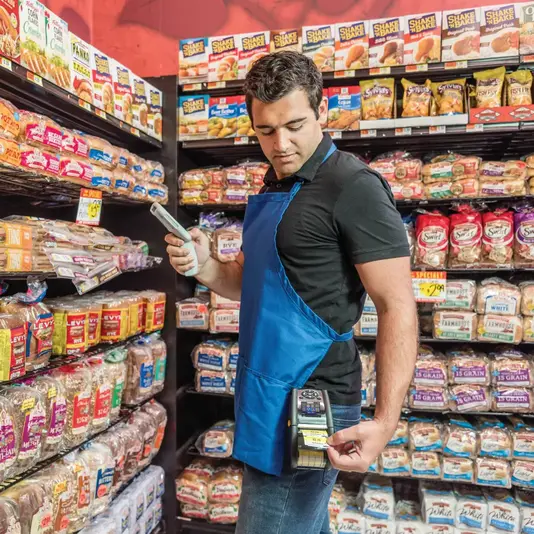
Food industry
.jpg)
Chemical industry
.jpg)
Healthcare
.webp)
Transport and logistics
%20(1).jpg)
Distribution centers
%20(1).jpg)
Electronics industry
.webp)
Construction industry
The value of implementing YMS in a company
.jpg)
Streamlined logistics and transportation processes
Automatic registration and control of vehicles on-site eliminate queues and reduce delivery handling time, improving the efficiency of the entire supply chain.
Improved delivery timeliness and customer satisfaction
Dynamic time slot management and real-time transport monitoring help prevent delays and ensure better coordination of deliveries.
Optimized resource utilization and reduced operational costs
The system supports intelligent space and schedule management, enabling maximum use of infrastructure and the elimination of unnecessary operational costs.
.jpg)
Easy integration with existing ERP and IT systems
YMS Sophia allows seamless data exchange with higher-level systems, enabling automated planning and transport optimization.
Modern technologies ensuring security and scalability
The system uses cloud-based architecture and advanced authorization mechanisms, ensuring secure and flexible management—even for rapidly growing enterprises.
Centralized system management and flexible deployment models
YMS Sophia is available in both SaaS and on-premise models, allowing companies to tailor the deployment to their needs and maintain full control over their data.

Increased operational efficiency and cost reduction
Automated on-site traffic management minimizes downtime and optimizes resource usage, leading to significant operational savings.
Fast return on investment through process optimization
With smart time slot planning and real-time operational monitoring, companies can increase throughput and avoid costly delays.
Improved customer service quality and company image
Better transport organization and the elimination of bottlenecks at site gates translate into more timely deliveries and higher customer satisfaction.
FAQ – YMS Sophia
Answers to Frequently Asked Questions about the Sophia YMS
YMS – basic information

What is a YMS and how does it work?
A YMS, or Yard Management System, is a system for digitally managing vehicle traffic within a manufacturing plant, warehouse or distribution center. YMS Sophia by OPTIDATA enables control over appointment scheduling, vehicle entry, parking areas, docks, loading, unloading and vehicle exit.
What is a YMS system used for?
A Yard Management System (YMS) is used to organize inbound and outbound vehicle handling in the logistics yard. YMS Sophia helps reduce queues, shorten driver waiting times, improve dock utilization and provide full visibility of vehicle traffic.
What is a Yard Management System?
A Yard Management System (YMS) is an IT solution that supports yard management. YMS Sophia combines appointment scheduling, driver communication, entry control, dock management and reporting within one environment.
What problems does a YMS system solve?
A YMS system helps solve problems related to yard congestion, lack of control over appointments, vehicle queues, poor dock utilization and manual communication with drivers and carriers. YMS Sophia automates these processes and supports day-to-day yard traffic management.
Is a YMS the same as an appointment scheduling system?
No. An appointment scheduling system is only one component of a YMS. YMS Sophia covers a broader process, including visit planning, vehicle traffic management, parking areas, docks, communication, check-in, check-out and reporting.
How does a YMS differ from a WMS and TMS?
A TMS manages transportation, a WMS manages warehouse operations, while a YMS manages vehicle traffic within a facility. In the OPTIDATA ecosystem, TMS Falcon supports transportation, WMS Invident manages warehouse operations, and YMS Sophia organizes the stage between vehicle arrival and warehouse handling.
Applications of YMS Sophia
Where should YMS Sophia be implemented?
YMS Sophia is worth implementing in distribution centers, warehouses, manufacturing plants, logistics centers, 3PL/4PL facilities and other locations with high volumes of vehicle traffic, appointments and deliveries. YMS Sophia is suitable for both individual facilities and multi-site networks.
Which companies benefit most from implementing YMS Sophia?
Companies with a high number of deliveries, multiple docks, intensive vehicle traffic and strong pressure on on-time operations can benefit the most. YMS Sophia is designed for organizations operating in logistics, manufacturing, distribution, retail and logistics services.
Is YMS Sophia suitable for a manufacturing plant?
Yes. YMS Sophia supports manufacturing plants where deliveries of raw materials, components or packaging need to be synchronized with warehouse and manufacturing operations. When integrated with WMS Invident, it can support a smooth flow of information between the yard, warehouse and manufacturing floor.
Is YMS Sophia suitable for distribution centers and warehouses?
Yes. Distribution centers and warehouses are among the main environments in which Yard Management Systems are implemented. YMS Sophia supports appointment scheduling, vehicle queues, docks, parking areas, gates and communication with carriers.
Can YMS Sophia support multiple warehouses?
Yes. YMS Sophia can support a single facility as well as a network of warehouses, manufacturing plants or distribution centers. This makes it easier to manage vehicle traffic centrally and compare data across different locations.
Benefits of implementing YMS Sophia
What are the benefits of implementing YMS Sophia?
Implementing YMS Sophia can shorten vehicle handling times, increase facility throughput, improve dock utilization, reduce operational disorder and provide better control over transport traffic.
How does YMS Sophia help reduce operating costs?
YMS Sophia helps reduce costs through appointment scheduling automation, automated communication and check-in/check-out, better dock utilization and less manual work related to driver and carrier handling.
How does YMS Sophia improve delivery punctuality and driver handling?
YMS Sophia improves delivery punctuality by supporting delivery time slot management, enabling fast responses to delays and automatically providing drivers with instructions. Drivers know where to go and what action to take next.
Appointment scheduling and yard traffic management
How does delivery appointment scheduling work in YMS Sophia?
Appointment scheduling in YMS Sophia makes it possible to plan a supplier, carrier or driver visit within a specific time slot. The system takes into account facility capacity, dock availability and the current operational situation.
How does YMS Sophia improve vehicle traffic management?
YMS Sophia monitors vehicle entries, exits, parking areas, docks and vehicle statuses. This allows operators to see where a vehicle is located, which stage of the process it is currently completing and what actions should be taken next.
Does YMS Sophia operate in real time?
Yes. YMS Sophia provides real-time monitoring of vehicle traffic, visit statuses, dock occupancy and ongoing operations. This gives managers better real-time yard visibility and enables them to respond more quickly to changes.
Does YMS Sophia help reduce truck queues?
Yes. YMS Sophia helps reduce truck queues through time slot planning, capacity control, automated driver communication and directing vehicles to the appropriate parking areas, gates and docks.
How does YMS Sophia improve dock utilization?
YMS Sophia analyzes dock availability and current operational workload. It can dynamically direct vehicles to the appropriate loading or unloading locations, reducing downtime and improving dock utilization.
Can YMS Sophia automatically assign docks?
Yes. YMS Sophia can dynamically assign docks based on availability, facility workload and operation status. This means a dock does not have to be permanently assigned during the initial appointment scheduling stage.
How does driver communication work in YMS Sophia?
Driver communication in YMS Sophia can take place via SMS, email, chatbot, voicebot, mobile application, self-service kiosks and information displays. Drivers receive instructions concerning entry, parking, dock assignment and exit.
Does YMS Sophia support multilingual driver communication?
Yes. YMS Sophia can support multilingual communication with drivers, including through an intelligent bot that supports 26 languages. This is particularly important in logistics centers serving international carriers.
How does YMS Sophia support Just-in-Time deliveries?
YMS Sophia supports Just-in-Time delivery management through precise time slot planning, arrival control, fast communication with drivers and synchronization of deliveries with warehouse or manufacturing operations. When integrated with WMS Invident and TMS Falcon, it can support a consistent flow of data from transport planning through to warehouse handling.
YMS Sophia integrations and infrastructure
Can YMS Sophia be integrated with ERP, WMS and TMS systems?
Yes. YMS Sophia can integrate with ERP, WMS and TMS systems. Within the OPTIDATA environment, it can work with solutions such as WMS Invident and TMS Falcon, ensuring data consistency between transportation, warehouse operations and the logistics yard.
Which devices can YMS Sophia work with?
YMS Sophia can work with devices including LPR cameras, barriers, gates, truck scales, self-service kiosks, information terminals, information displays and mobile devices.
Does YMS Sophia work with LPR cameras?
Yes. YMS Sophia can work with LPR systems, which are used for license plate recognition. This makes it possible to automate vehicle identification, entry control and gate handling.
Implementation model and process
Does YMS Sophia require installation on a local server?
Not always. YMS Sophia can be implemented in a SaaS or on-premise model. This allows a company to select the deployment model that best fits its IT strategy, security requirements and technical infrastructure.
What does the YMS Sophia implementation process look like?
YMS Sophia implementation includes process analysis, configuration of appointment scheduling and time slots, integrations with IT systems and infrastructure, operational testing, user training and system go-live in the production environment.
How long does a YMS Sophia implementation take?
The duration of a YMS Sophia implementation depends on the scale of the facility, number of integrations, scope of automation and process requirements. A basic appointment scheduling implementation differs significantly from full automation involving LPR, truck scales, barriers, WMS Invident and TMS Falcon.
Why choose YMS Sophia from OPTIDATA?
YMS Sophia is OPTIDATA’s proprietary solution developed to automate yard operations, increase the throughput of logistics facilities and improve the driver experience. The system combines appointment scheduling, yard management, infrastructure, communication, reporting and integrations with ERP systems, WMS Invident and TMS Falcon.
Implementation is supported by experienced OPTIDATA specialists who have been delivering projects for manufacturing, logistics and distribution companies for many years. As a result, YMS Sophia can be adapted to actual processes, facility scale, existing infrastructure and the integration requirements of a specific organization.
Ready for the transformation?
Our expert will call you as soon as possible to start your journey.
.png)



.png)
_11zon.png)


.png)
